

100% in Colombia, From Scratch
The story behind Bordon's newest leather and why we rebuilt it from the ground up.
When we started Bordon, our mission was simple: build rugged, high-end boots using some of the best leather we could find. If you've followed us from the beginning, you'll remember that the very first leather we launched was a waxed suede, a leather we developed together with one of the best suede tanneries in the world.
That first launch was a complete success, so we kept the waxed suede as a stock leather, always available on the site. For a while it worked. Then the problem started.
Why we had to start over
Without telling us, the tannery kept changing the formula. Every batch we received was different from the one before. Sometimes the leather arrived softer and buttery; sometimes the tones shifted, and not in a subtle way. Sometimes they changed drastically, simply because the tannery had decided to change something. Other batches came back stiffer than they should have been. Some arrived nappy, with the nap exposed to the touch, which waxed suede should never be.
As a brand built on uncompromising quality, we couldn't accept this inconsistency. So we made a decision: develop a completely new waxed suede, this time tanned and finished 100% in Colombia, with a formula that belonged to us.
Made in Colombia, and why that matters!
Here's something most people don't know. Colombia produces some of the highest-quality hides in the world, but you'd never recognize it, because almost all of it leaves the country in the wet blue stage. (Wet blue is an early, chrome-tanned intermediate stage of leather, before it's finished.) Those hides ship straight to Italy, Argentina, the United States, and beyond.
The result is a strange paradox: the Colombian market rarely gets to enjoy this quality, as finished premium leather becomes so expensive that local manufacturers and customers cannot afford it. The cheaper, lower-grade material is what stays behind for the domestic market.
That's exactly why this development means so much to us. As a small brand, we wanted to change that narrative. We wanted to keep the finest raw materials right here at home and craft a world-class leather from scratch.
It did not come quickly. It took a lot of time and a lot of testing: tanning tests, color tests, and more. Along the way, we learned something we hadn't expected: that specific leather configurations only work with specific tanning processes. Not every tannage works well on every type of leather. We didn't know that until we started making this one ourselves, and honestly, learning it has been one of the best parts of the whole process.
Crafting the perfect suede
One of the most important steps was selecting the raw suede, and we couldn't use just any hide. We needed a very specific one: not too young, not too old. The best choice turned out to be milk cows raised in cold weather.
The reason is in the fiber. A milk cow has already gone through an important part of its growth, but because its purpose is milk rather than meat, the grain fiber is more refined and stronger than you'd get from a younger, hot-weather, meat-purpose animal. That refined fiber is the foundation everything else is built on.
The tanning problem
The hardest part was figuring out which tanning process would preserve the waxes, the feel, and the look of the waxed suede we had in mind.
We're deeply committed to minimizing our environmental impact, so we started with vegetable tanning. Unfortunately, the leather turned out like stiff cardboard, and the suede nap was ruined. It was, frankly, a disaster.
The obvious alternative was chrome tanning. But we didn't want chrome in our leather. Full stop. Even though the tannery holds proper certification for treating chrome-salt wastewater, chrome tanning simply isn't something we were willing to do. We weren't going to make a leather that's 100% Colombian and then put chrome in it, certified or not.
Instead, our leather engineer introduced us to a rare, eco-friendly method: the wet white process. This specialized, aluminum- and chrome-free method uses a unique two-component formula, and it was the only process that let us reach the exact supple feel and temper we were after.
This matters to us beyond the boot. As an environmentally minded brand, we're always looking for raw materials with the lowest possible impact, less waste, and less contamination. It's not enough to run a made-to-order model to reduce stock and waste. We think it's just as important to know and to share where our materials and components actually come from. That's part of how we work.
Military-grade water resistance
We set out to improve two things specifically: water resistance and how the fiber feels.
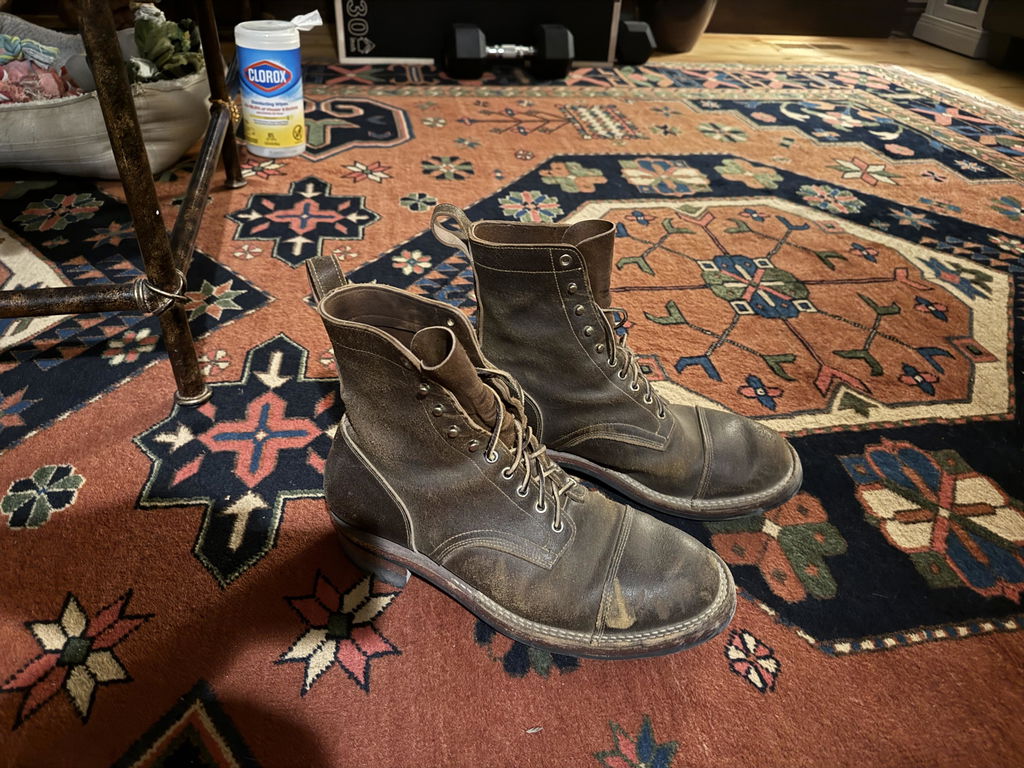
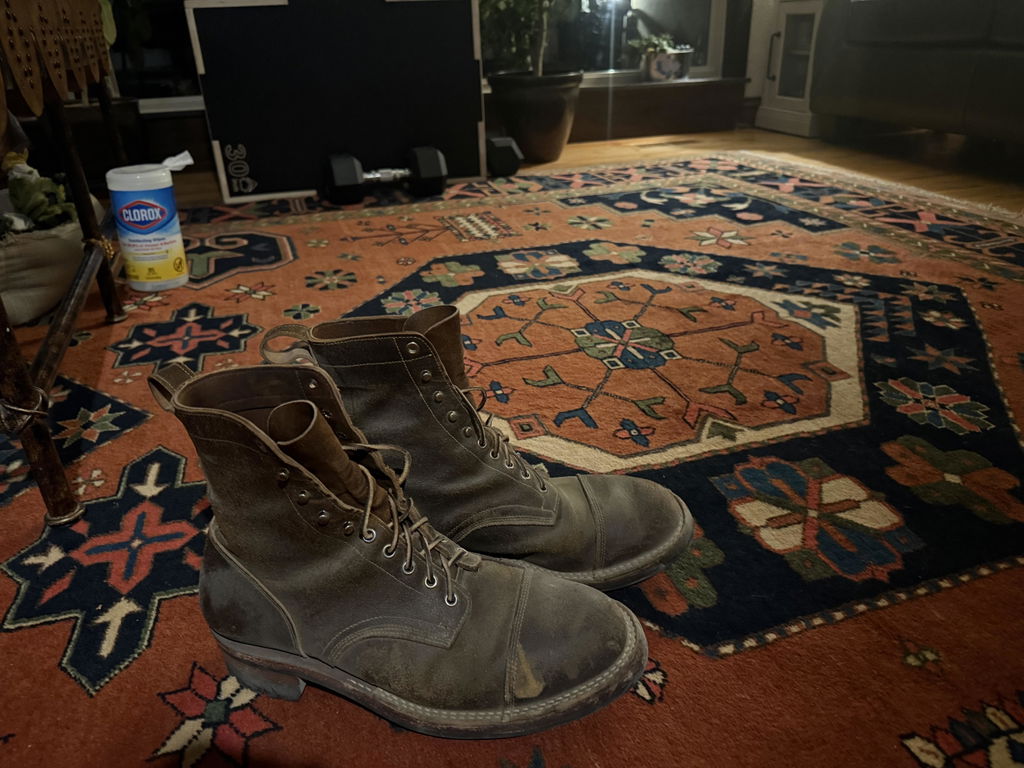
By nature, suede isn't very water-resistant. Its fibers are split and open, so there's almost no structure to stop water from getting in. But thanks to our engineer, we found a formula that holds the waxes and resists water penetration for up to six hours in static testing. That six-hour mark is the threshold the national army sets for its own leathers, so reaching it with a brand-new leather felt like a real milestone for us.
Rugged utility meets instant comfort
We didn't want a boot that felt like a brick out of the box, nor did we want something so soft it lacked structure. We focused heavily on balancing the fiber density to create a boot that combines extreme ruggedness with immediate comfort. The painful break-in process has practically disappeared.
Yes! It was inspired by Charles F. Stead
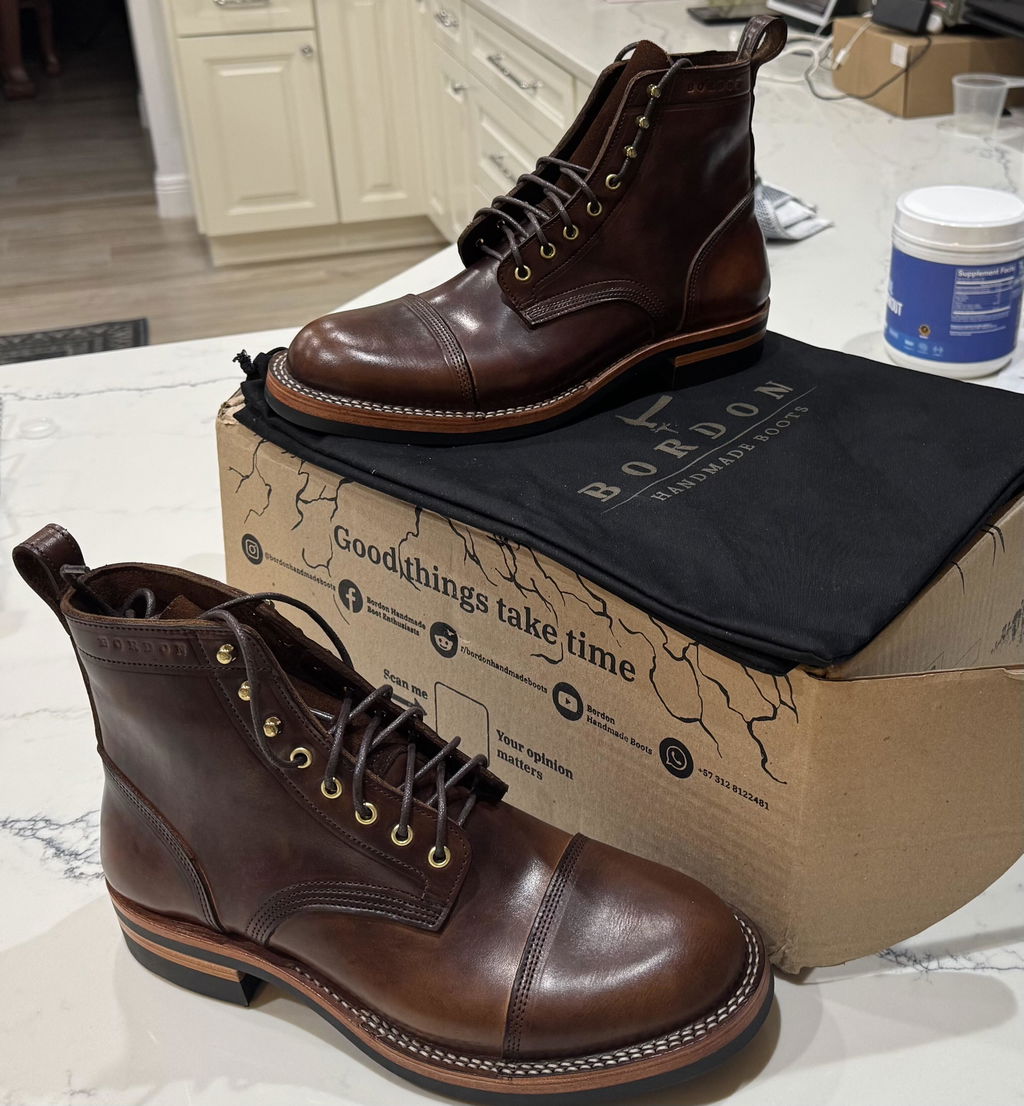
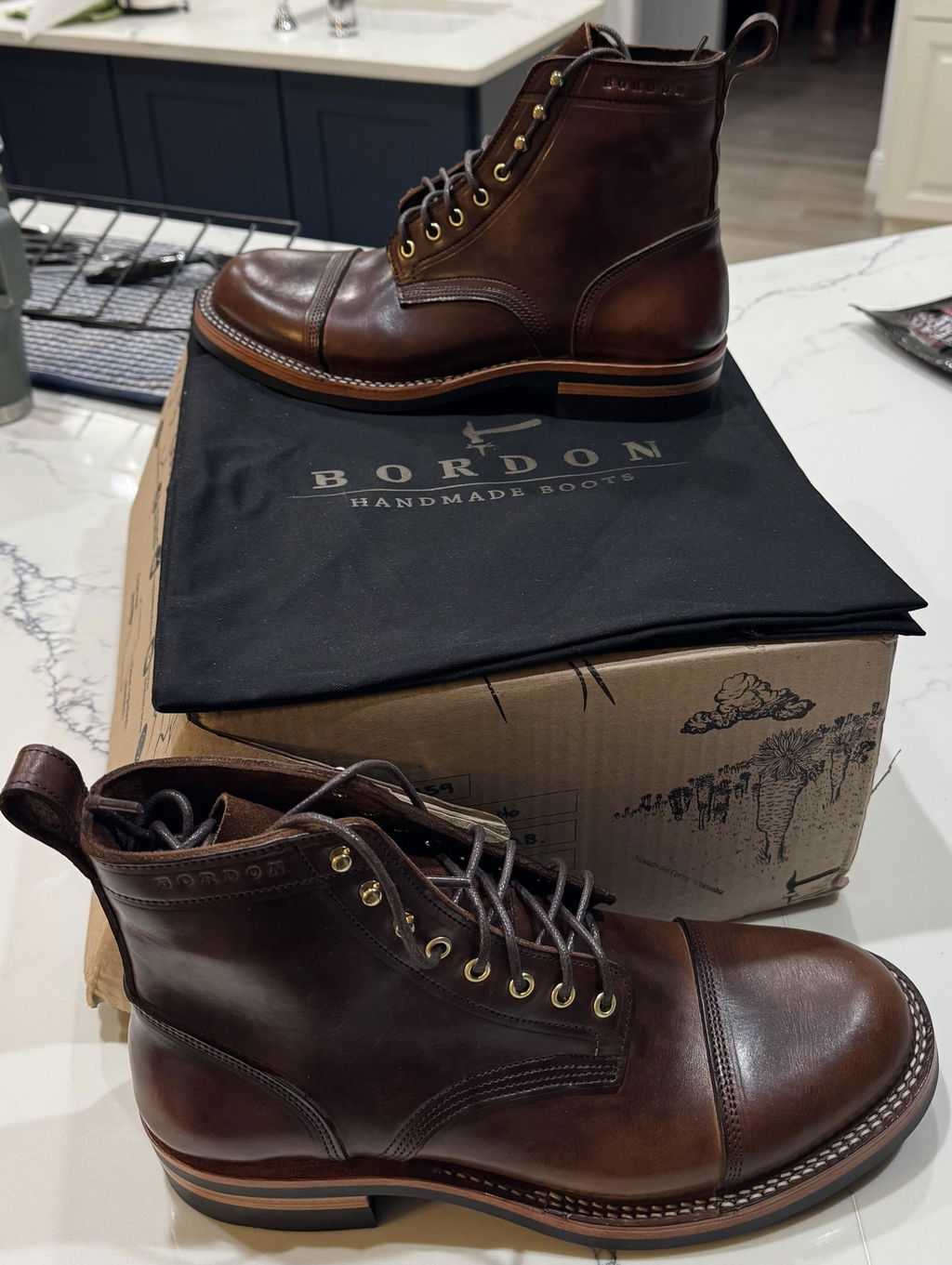
Some of you will look at it and say, "That looks like Charles F. Stead." And I'll say, "Yes, it does." From the very beginning this leather was inspired by them. But it's built on our own formula and our own style, developed here, by us.
Built to be worn anywhere
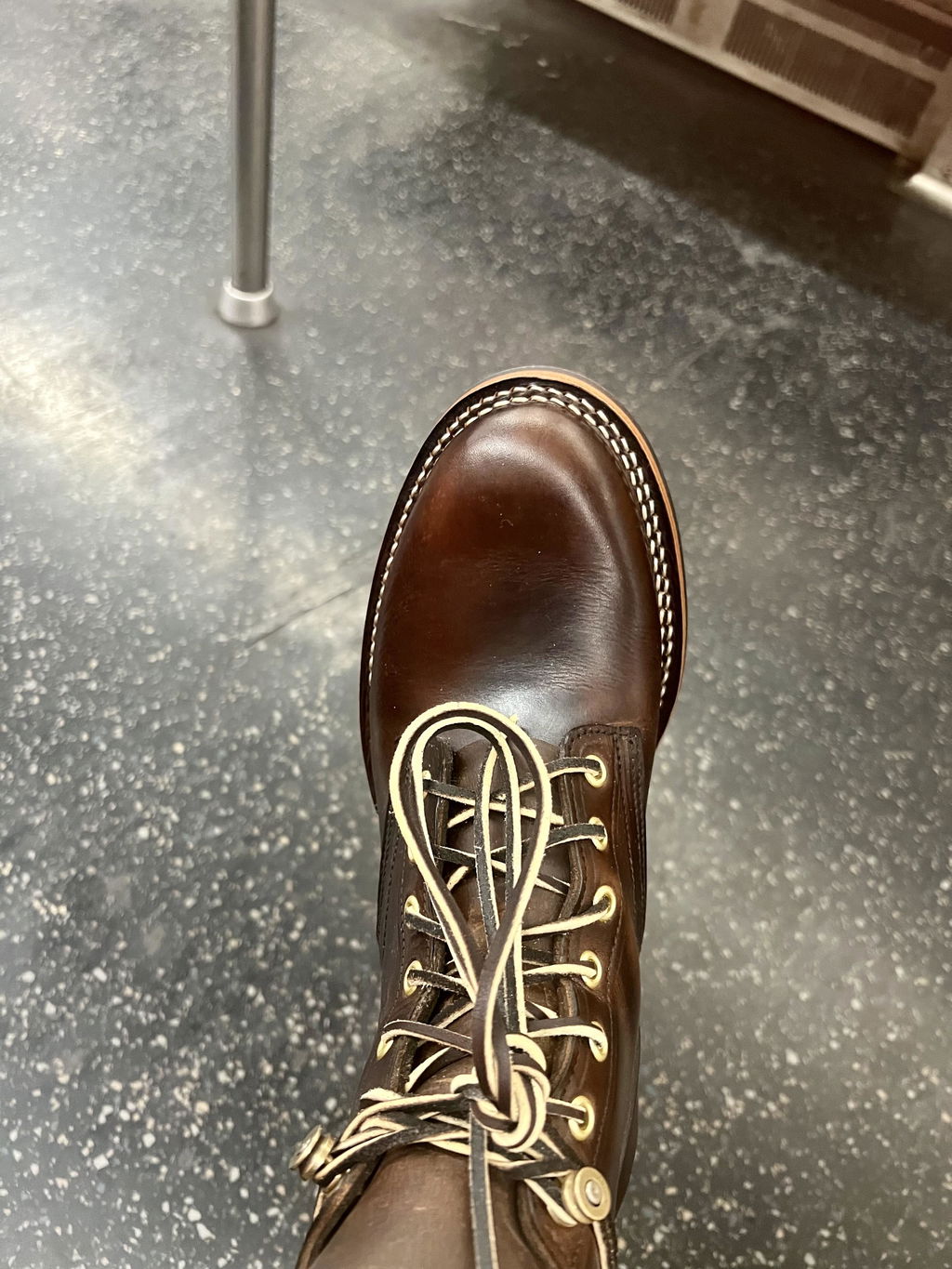
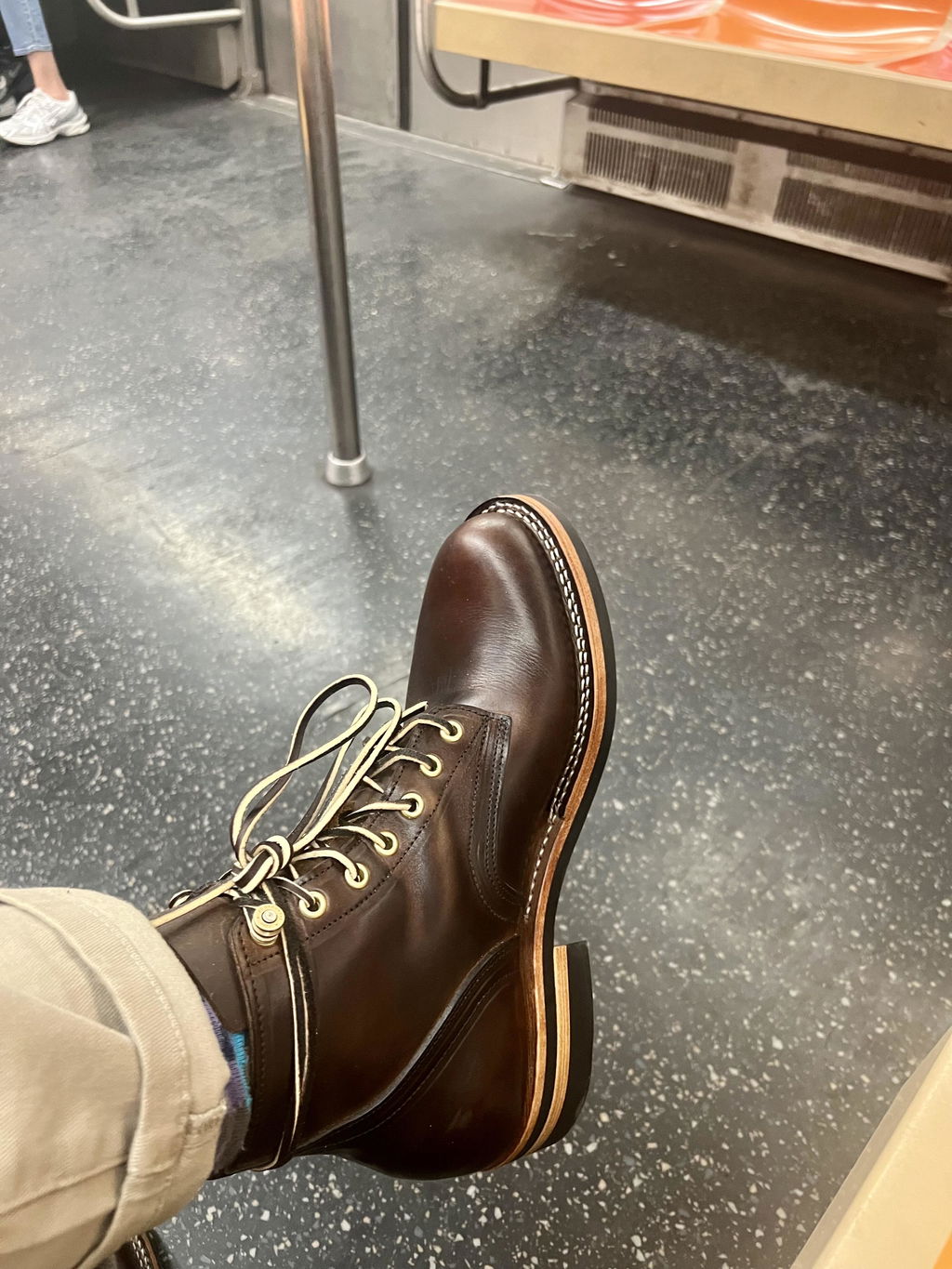
This leather was made to be worn all the time. Wear it at the office all week, then take it out for a hike or heavier work on the weekend, and it's ready for both. That blend of style, looks, and utility is what makes this development feel genuinely different.
How to care for it
We engineered this leather to be completely worry-free. You don't need to baby these boots.
- For dust and dirt: just give them a quick pass with a horsehair brush when you get home, and you're good to go.
- For mud and grime: let the mud dry completely, brush it away, and apply a light coat of natural boot wax to prime them back up for the rumble.
- To keep them looking neat: if you want a cleaner, sharper look for a night out, apply a light layer of natural wax once a month to restore the deep, rich finish.
The path we want to take
With this launch we're showing you the direction we want Bordon to go. We're not interested in offering the same thing every other brand makes, just with a different color or a different thickness. We want to give you something truly different, made by hand, made by us, and made for you: for your needs and your style and without compromising on quality.
Check out the NEW DROP. Your feet will thank you.
0 comments